Live: Transitioning Into Book Marketing
Apr 11, 2024
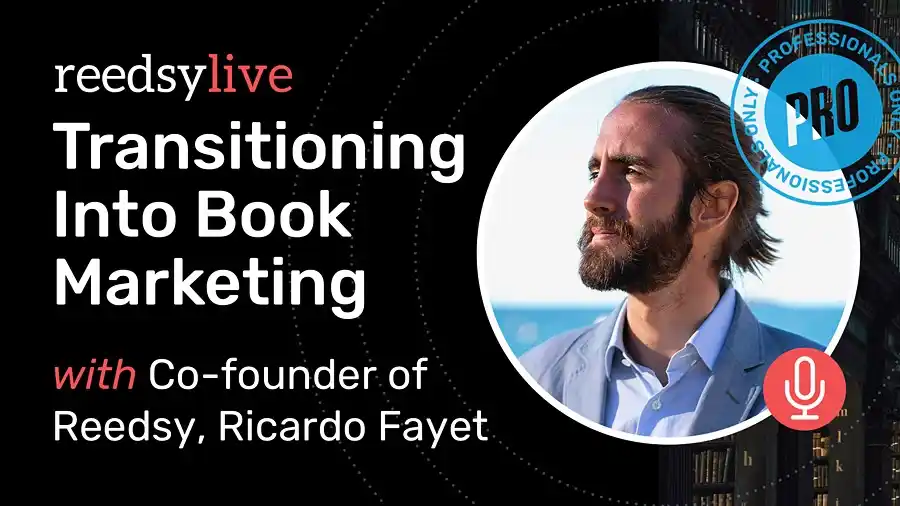
Reedsy co-founder Ricardo Fayet shares how to gain the skills and knowledge necessary to succeed as a digital marketer in the book publishing industry. Read more →
Should You Join the Society of Illustrators?
Mar 27, 2024

A deep dive into the Society of Illustrators and whether you should consider joining as a member. In consultation with professional Reedsy illustrator. Read more →
Live: The Art of Expat Taxes
Feb 29, 2024
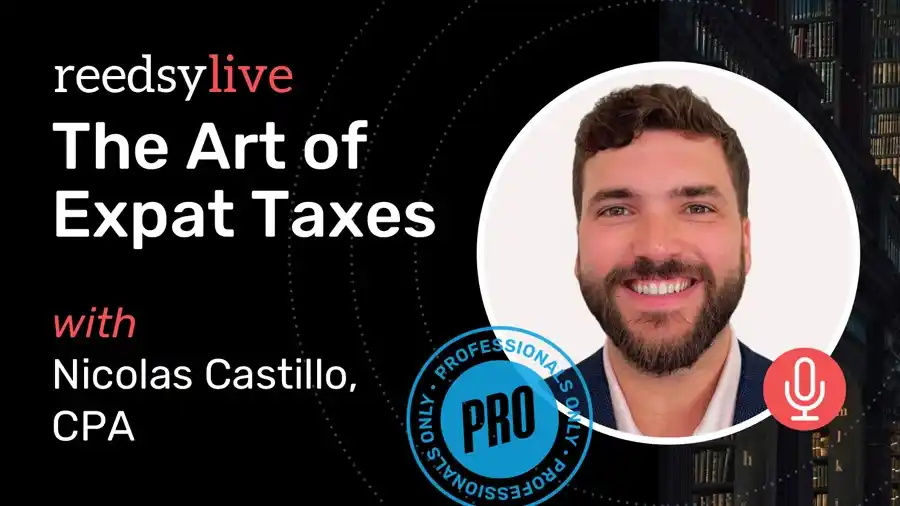
Nicolas Castillo (CPA) sheds some light on how to reduce your tax bill as a U.S. expat and how to avoid double taxation and penalties. Read more →
Panel Discussion — Ghostwriting Memoirs & Narrative Nonfiction
Feb 14, 2024
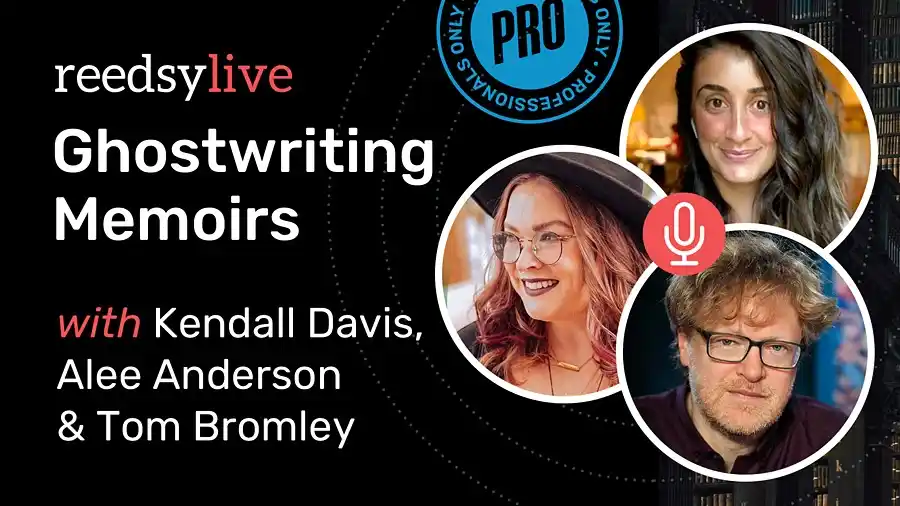
Transcript from a webinar focused on ghostwriting memoirs and related advice with two of Reedsy’s top ghostwriters: Alee Anderson and Kendall Davis. Read more →
Going Freelance After Twenty Years in Academic Publishing
Jan 26, 2024
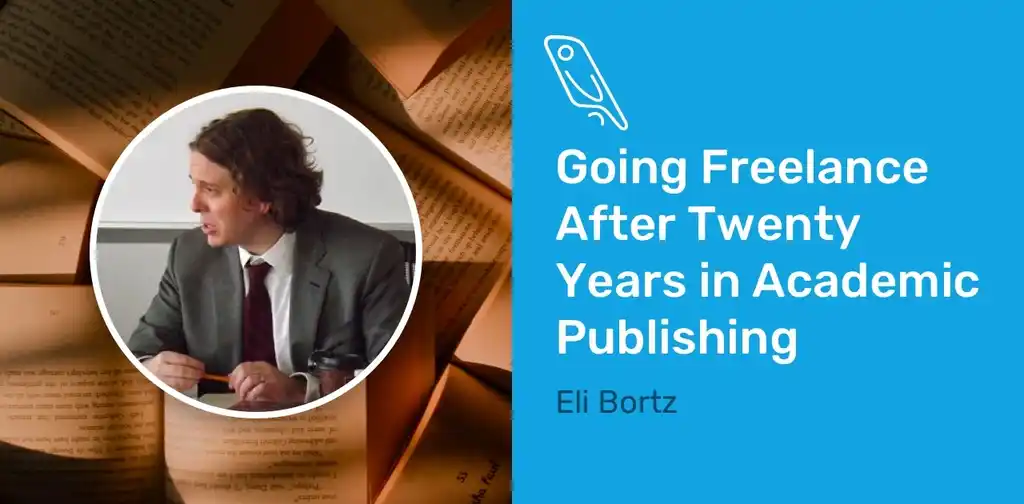
Eli Bortz, former editor-in-chief for University of Notre Dame Press, shares his experiences going freelance. Read more →
Panel Discussion — Book Coaching
Dec 20, 2023
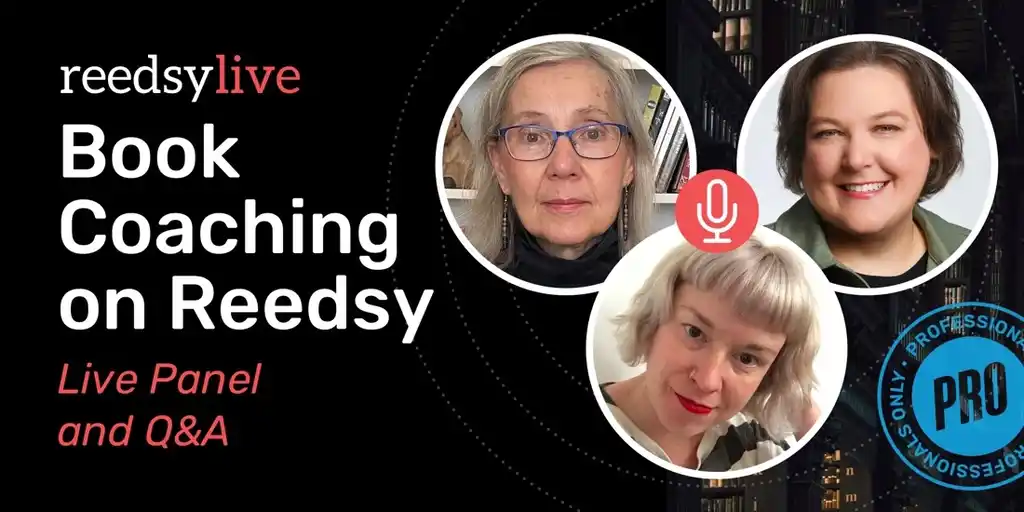
Three of Reedsy's top freelancers — Pam Sourelis, Kim Long, and Laura Joyce — talk about helping authors achieve their writing and publishing goals via book coaching. Read more →
Webinar — Generative AI, Copyright & Publishing
Dec 15, 2023
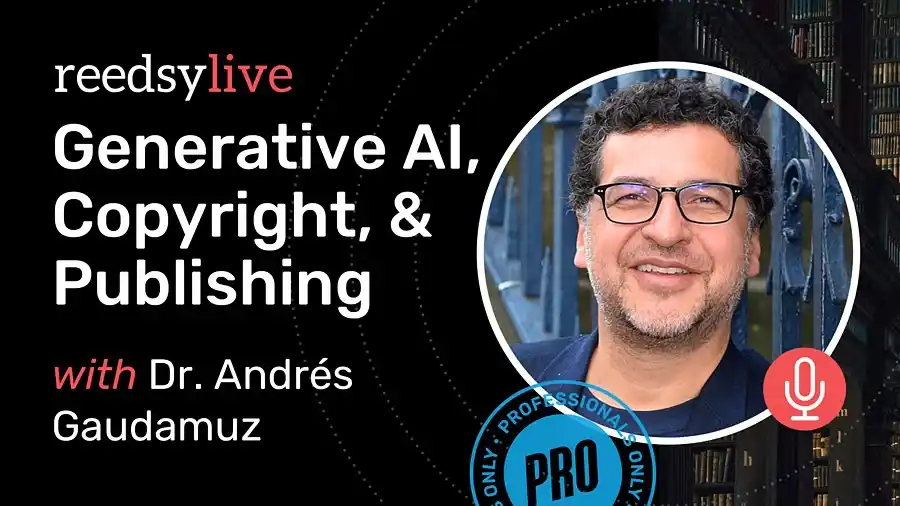
Transcript from a webinar on generative AI, led by Andrés Guadamuz: a Reader in Intellectual Property Law at University of Sussex. Read more →
How to Set Your Freelance Marketing Rates in 5 Steps
Oct 18, 2023
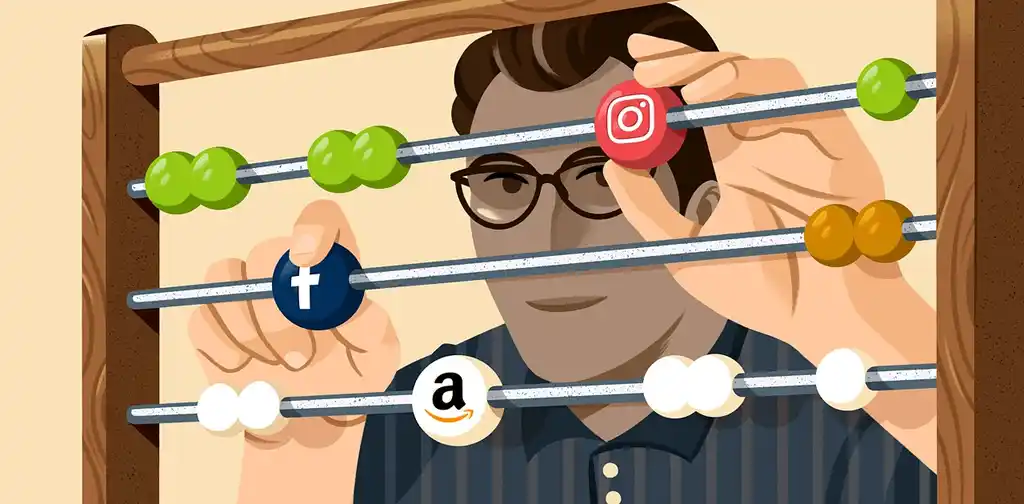
5 steps to set your freelance marketing rates, with statistics and expert insight from professional marketers. Read more →
Workshop — Be the Boss of Your Own Time: Achieve Your Ideal Freelance Lifestyle
Oct 05, 2023
The transcript from our workshop on time management and building your business to support your ideal lifestyle, led by freelance coach Sarah Duran. Read more →
Finding Your Feet as a Freelance Illustrator: Interview With a Reedsy Professional
Sep 18, 2023
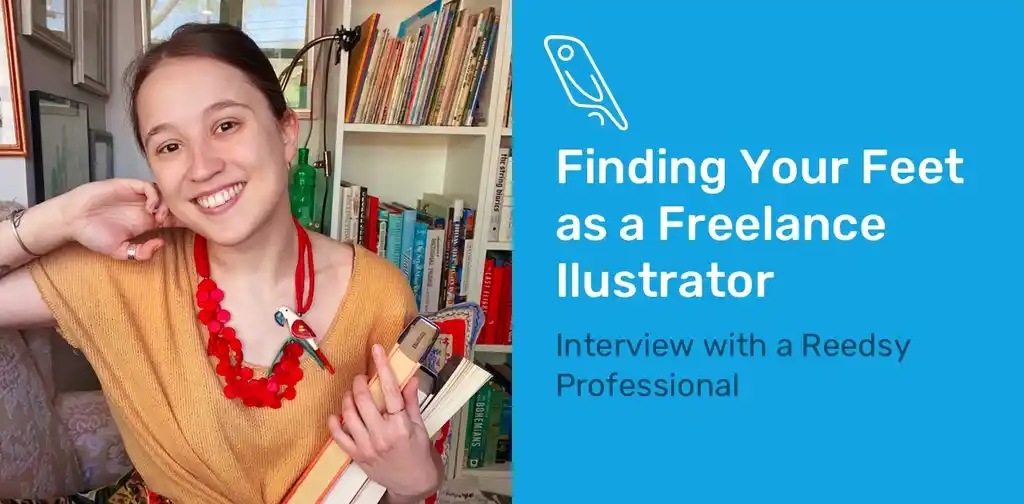
An interview with one of Reedsy's top freelance illustrators on how she got her start, how she found her feet as a freelancer, and working with clients on Reedsy. Read more →